Alabama
Heart of Dixie
Quick Stats
Map
Seal & Motto
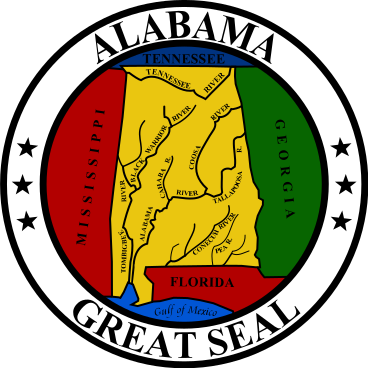
"Audemus Jura Nostra Defendere"
Latin for "We dare defend our rights" — a call to civic courage adopted in 1923, reflecting Alabama's determination to stand firm in the face of adversity. Adopted 1923.
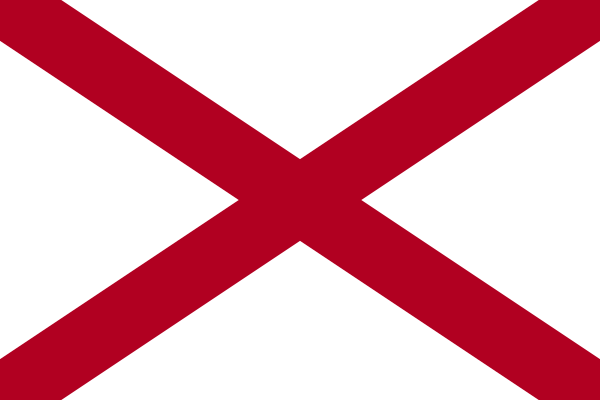
Flag Meaning
Red St. Andrew's Cross (diagonal X) on white — adopted 1895, modeled after the Confederate battle flag; the cross honors Southern heritage and Christian tradition.
- Red cross — Southern heritage & Christian tradition
- White field — purity and peace
State Symbols
Overview
Alabama, known as the "Heart of Dixie," boasts stunning natural beauty ranging from vast forested mountains in the north to the pristine white-sand beaches of the Gulf Coast. It is a major center for aerospace and automotive innovation, offering a unique blend of traditional Southern hospitality and a forward-looking technological landscape.
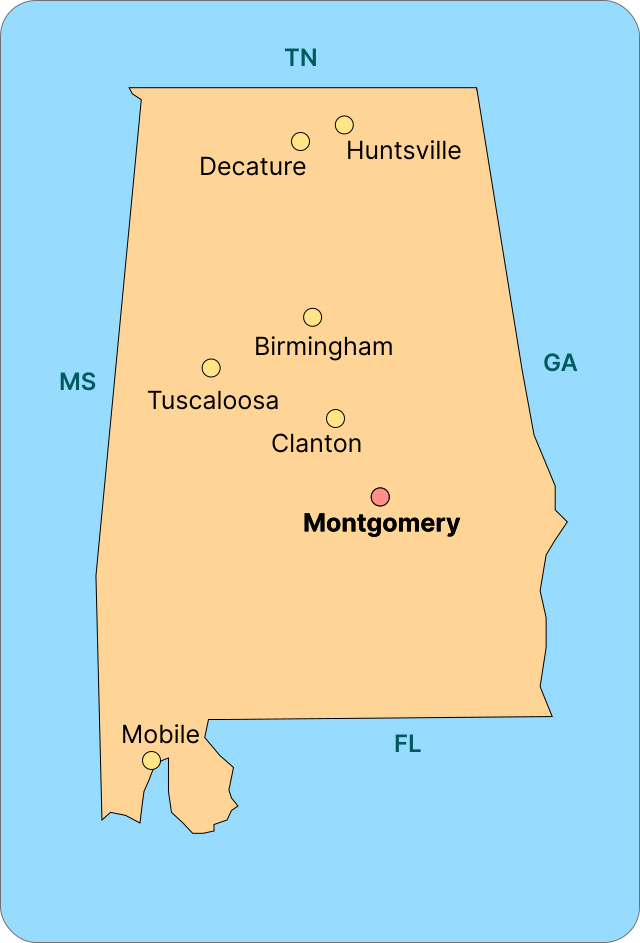
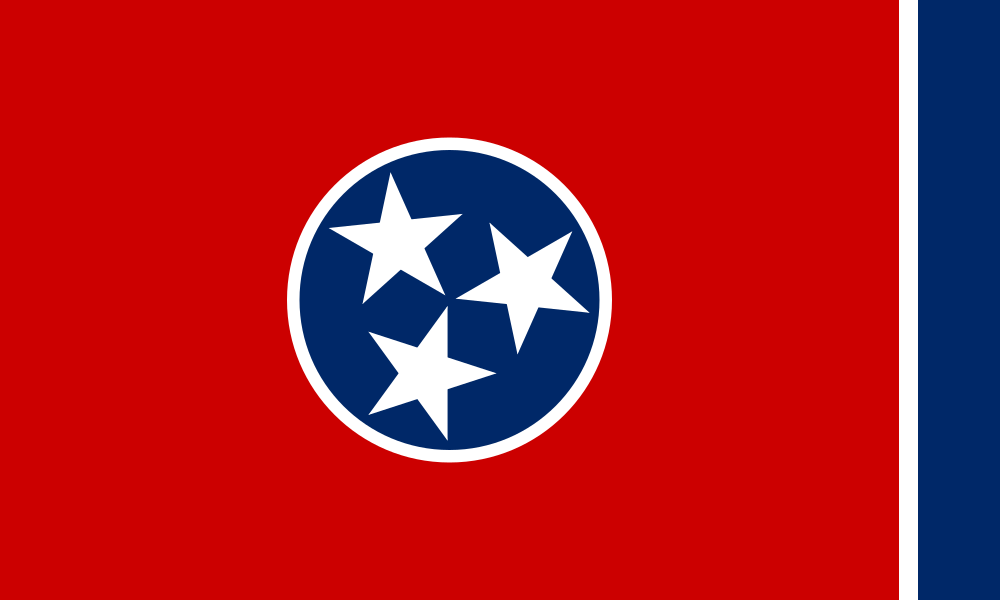
Geographically, it shares borders with Tennessee, Georgia, Florida, and Mississippi, forming a closely connected regional network.
Historical Significance
Alabama officially joined the Union on December 14, 1819, as the 22nd state. It served as a pivotal battlefield of historical transformation, most notably as the birthplace and epicenter of the American Civil Rights Movement in Montgomery and Birmingham, events that reshaped the nation's political and social history during the 20th century.
Famous Natives
Top Cities & Hubs
Huntsville
Population: ~220,000Known as "Rocket City," it is a global leader in aerospace and defense technology and is currently the fastest-growing city in the state.
Birmingham
Population: ~210,000A historic industrial hub that transformed into a major medical and financial center, featuring a rich cultural heritage and vibrant dining scene.
Montgomery
Population: ~200,000The state capital and a monumental center for American history, home to iconic landmarks of the Civil War and the Alabama Civil Rights Trail.
Mobile
Population: ~190,000The state's only saltwater port city, famous for hosting the oldest Mardi Gras celebration in America and its rich French and Spanish heritage.
Tuscaloosa
Population: ~100,000Home to the University of Alabama, this thriving college town is a center for education, culture, and high-energy college athletics.
How Alabama Ranks
Neighbors
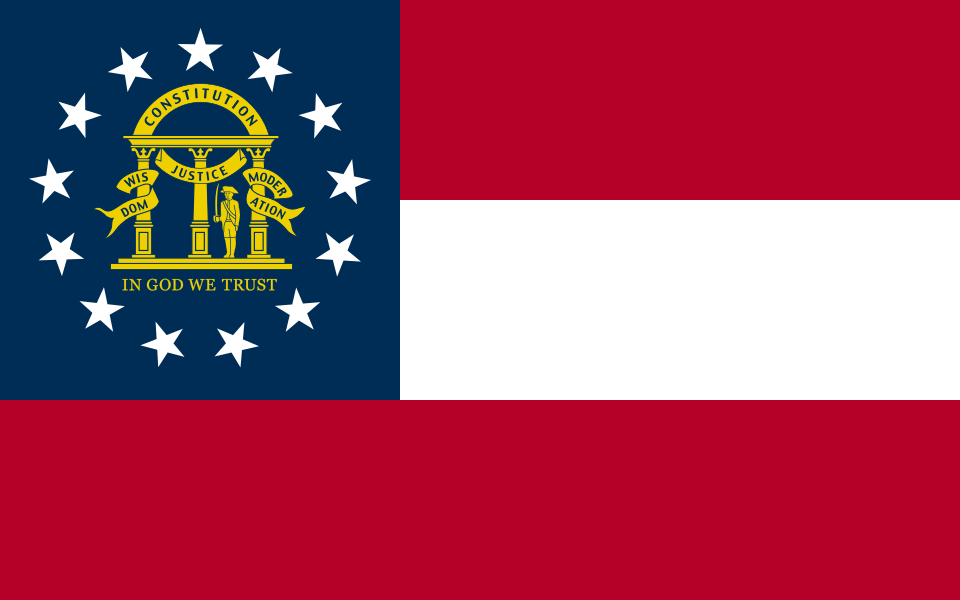
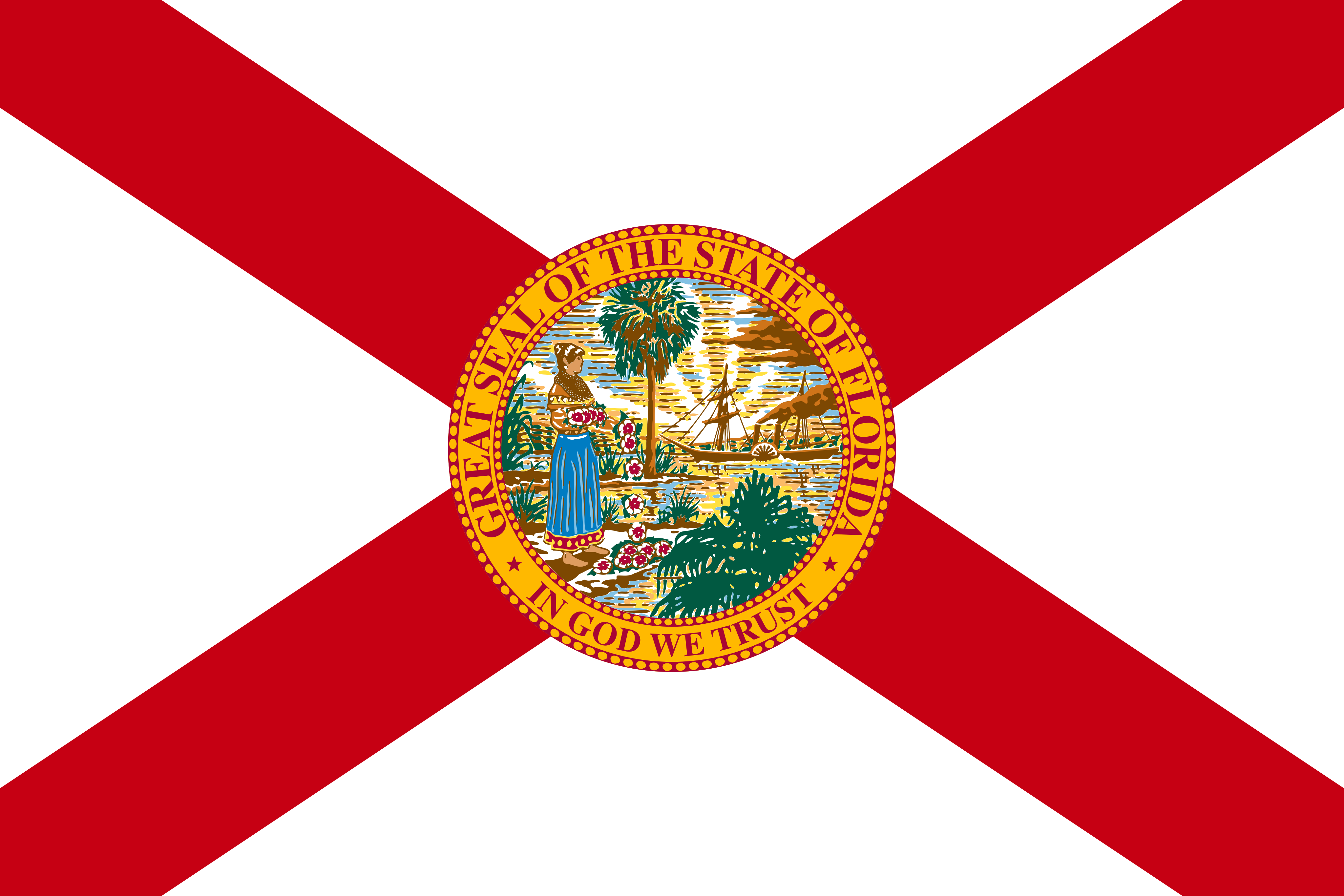
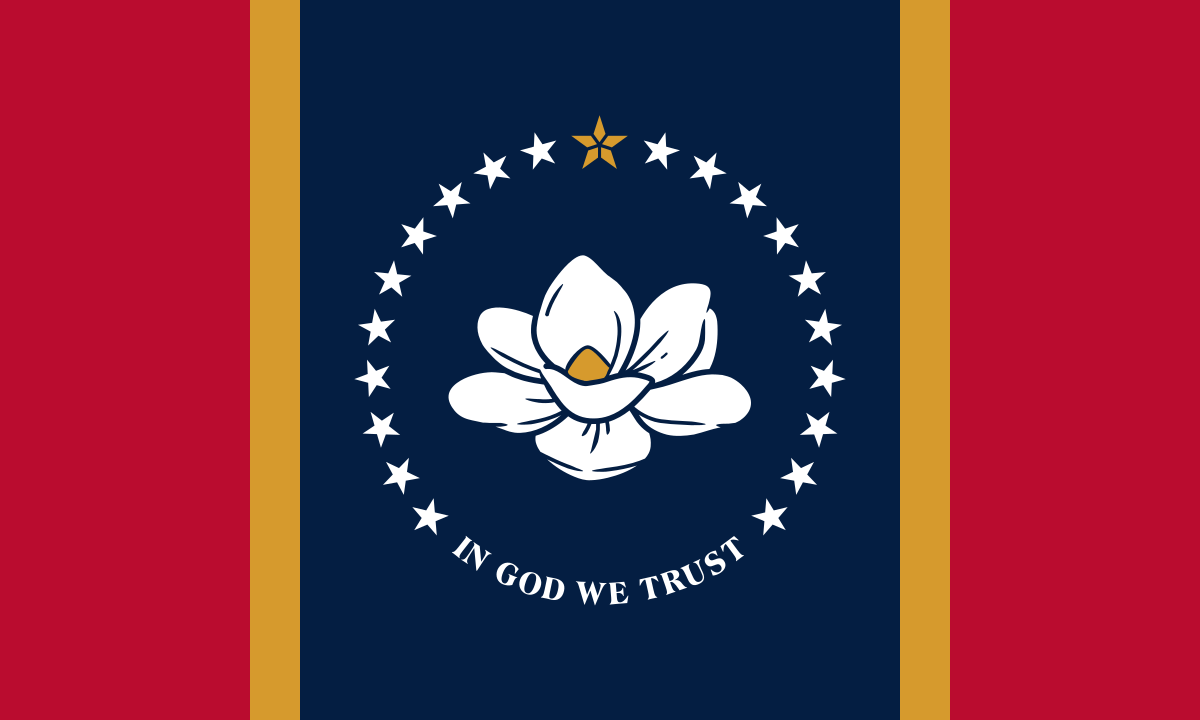
Additional Information
Key Landmarks & Economy
Did You Know?
- Alabama is the only state to have a designated "State Nut" — the pecan, widely celebrated in Southern cooking.
- The state is widely credited with hosting the first Mardi Gras celebration in America, starting in Mobile in 1703.
- The Little River Canyon is one of the deepest canyon systems east of the Mississippi River, located entirely on top of Lookout Mountain.
Demographics
Population Growth
Avg. Monthly Temperature
You Might Also Like
Alabama Trivia Quiz
Test your knowledge — 5 questions about the Heart of Dixie
What is Alabama's official nickname?
What is the capital of Alabama?
In what year did Alabama achieve statehood?
Which famous civil rights leader was born in Tuskegee, Alabama?
Which city earned the nickname "The Magic City" for its iron and steel industry?