
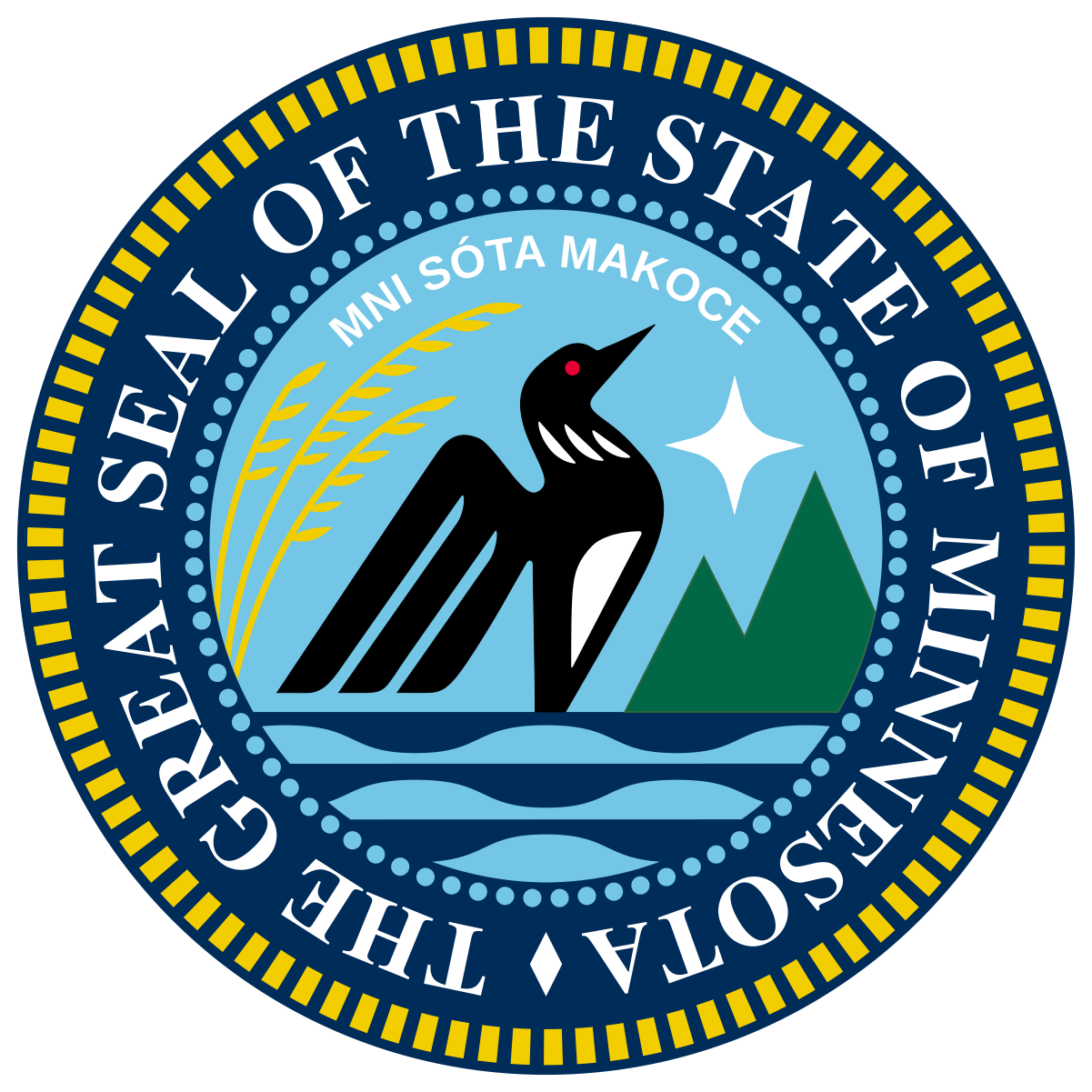
"L'Étoile du Nord" (Translation: "The Star of the North")
Adopted 1861.
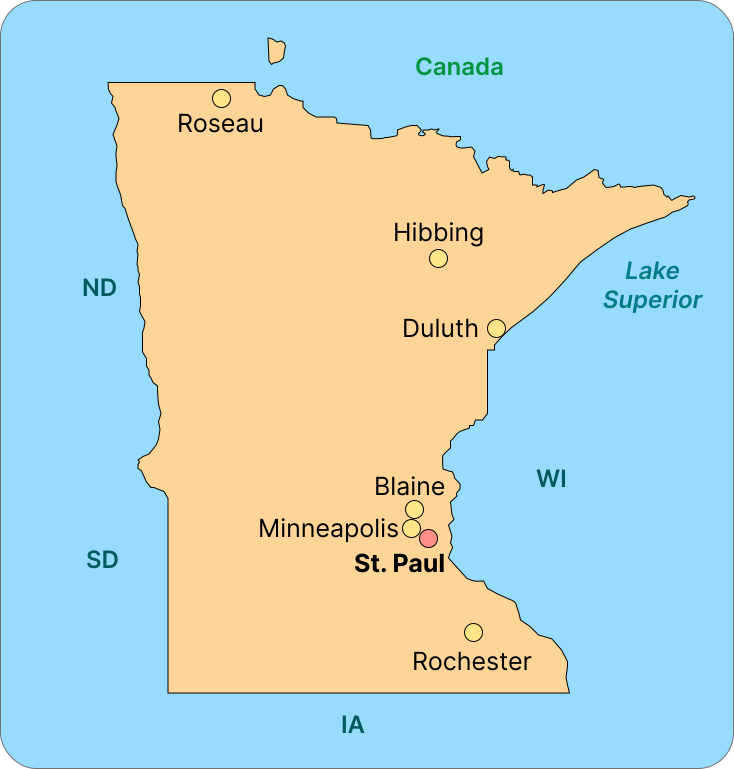
Minnesota, a land of unparalleled beauty, boasts over 10,000 pristine lakes, creating a breathtaking mosaic across its landscape. The Twin Cities—Minneapolis and St. Paul—serve as a vibrant cultural hub, brimming with world-class museums and theaters. Its diverse economy, fueled by giants like Target and Mayo Clinic, contributes significantly to national innovation, prosperity, and a high quality of life.
Minnesota officially joined the Union on May 11, 1858, becoming the 32nd state and fulfilling its promise as a burgeoning agricultural frontier. This pivotal moment solidified its place within the United States, shaping its identity and future development while establishing a firm foundation for social progress and democratic values that remain central to its rich and enduring Midwestern heritage.
Minneapolis
Population: ~425,000The largest city in Minnesota, known for its parks, lakes, and vibrant arts scene.
Saint Paul
Population: ~308,000The state capital, known for its historic districts and European-style architecture.
Rochester
Population: ~121,000Home to the world-famous Mayo Clinic, a global leader in medical research and care.
Bloomington
Population: ~89,000Home to the Mall of America, one of the largest shopping and entertainment complexes in the world.
Duluth
Population: ~86,000A major port city on Lake Superior, known for its scenic beauty and maritime history.
Region: Midwest
- Minnesota is nicknamed the ‘Land of 10,000 Lakes’ due to its network of freshwater lakes.
- Its nickname, 'The North Star State,' originally referred to guiding light for settlers venturing westward across the prairie.
- Minnesota was the first state to have a publicly funded college, Minnesota Agricultural College, established in 1861.