Mississippi
The Magnolia State
Quick Stats
Map
Seal & Motto
"Virtute et armis"
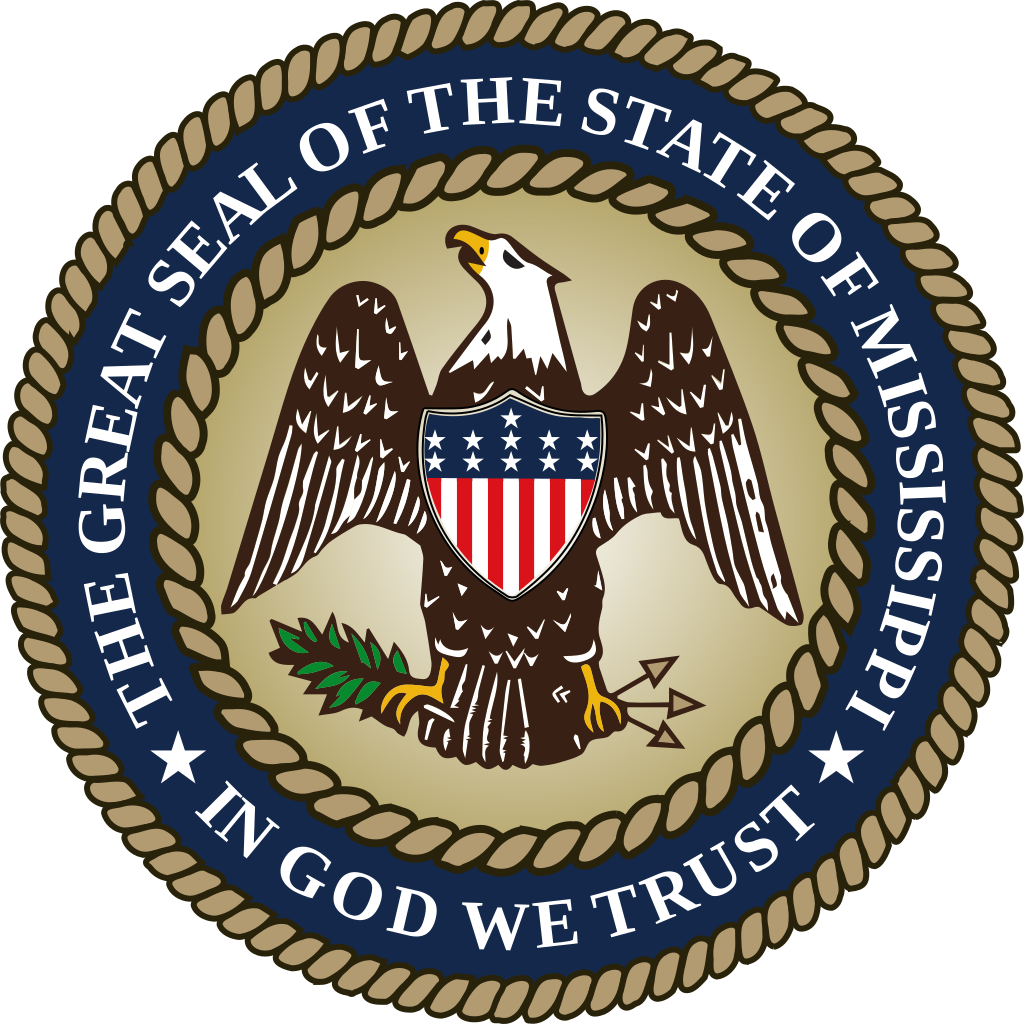
Adopted when Mississippi entered the Union in 1817, the Great Seal depicts an eagle with outstretched wings holding an olive branch and arrows — symbols of peace and military strength. A shield bearing vertical stripes adorns the eagle's breast, and the seal is encircled by the full state name.
Flag Meaning
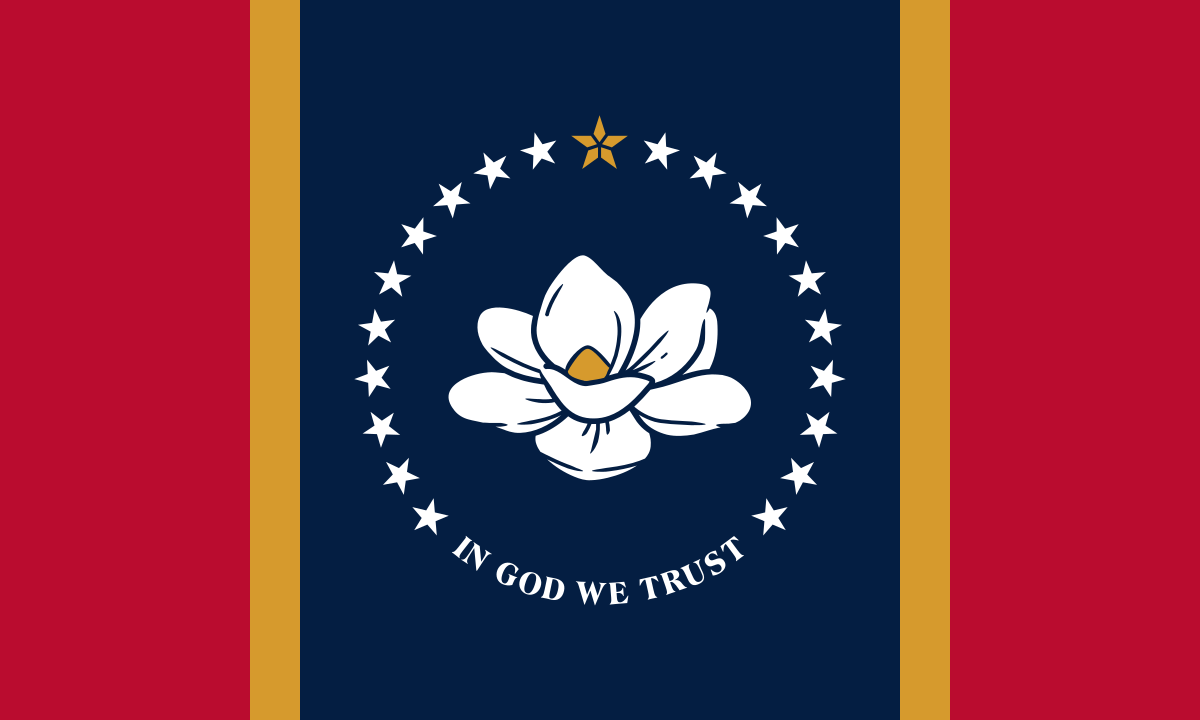
Mississippi adopted its current Magnolia Flag in November 2020, replacing the controversial 1894 design that featured a Confederate battle emblem. The new flag was selected through a public design contest and citizen vote, making it a symbol of unity and forward progress.
- Deep Blue Field — represents the Mississippi River, vigilance, justice, and the sky above the Magnolia State.
- Magnolia Blossom — the state flower, centered on the flag in white with golden stamens, symbolizing purity, beauty, and Mississippi's natural heritage.
- Gold Star & Berries — a gold star representing Mississippi as the 20th state, encircled by 19 magnolia berries honoring the 19 states that came before it.
- "In God We Trust" Banner — a white banner at the base bearing the national motto, added at the request of Mississippi citizens during the design process.
State Symbols
Overview
Mississippi, the 'Magnolia State,' is a land of profound cultural richness where the legendary Mississippi Delta gave birth to the blues and shaped American music forever. Its fertile river delta, Gulf Coast shores, and deep historical significance make it a unique cornerstone of Southern identity and resilience.
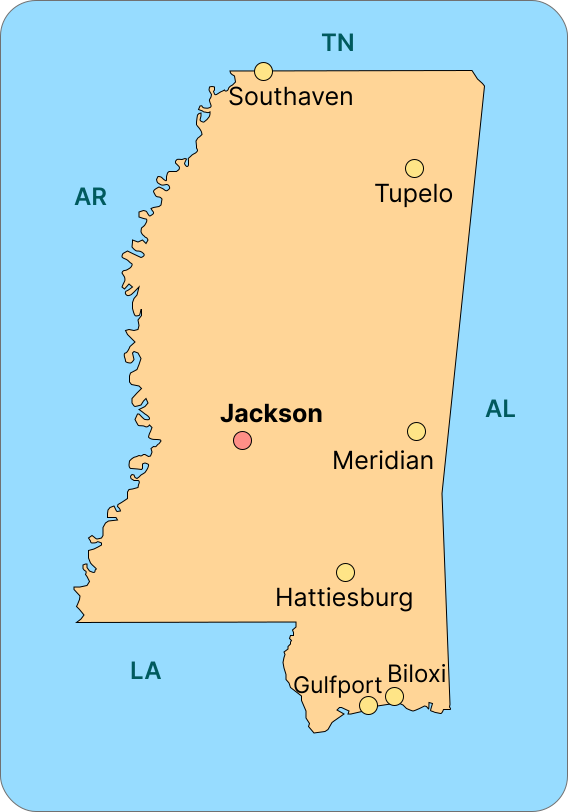
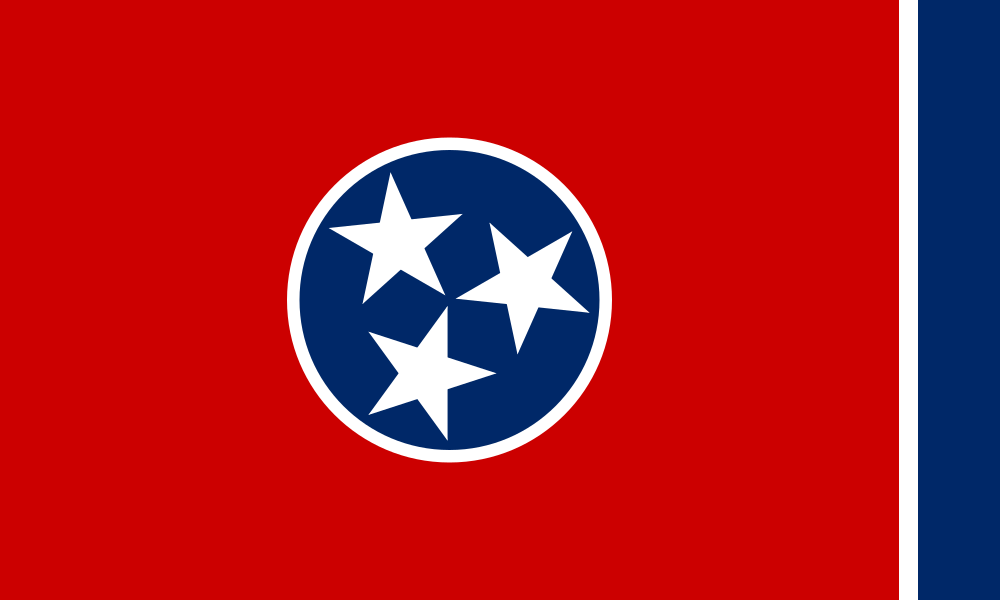
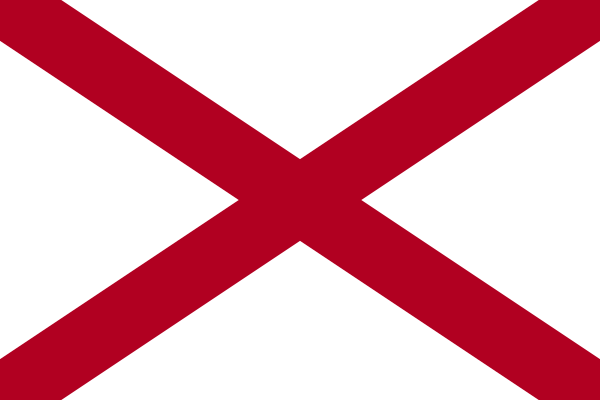
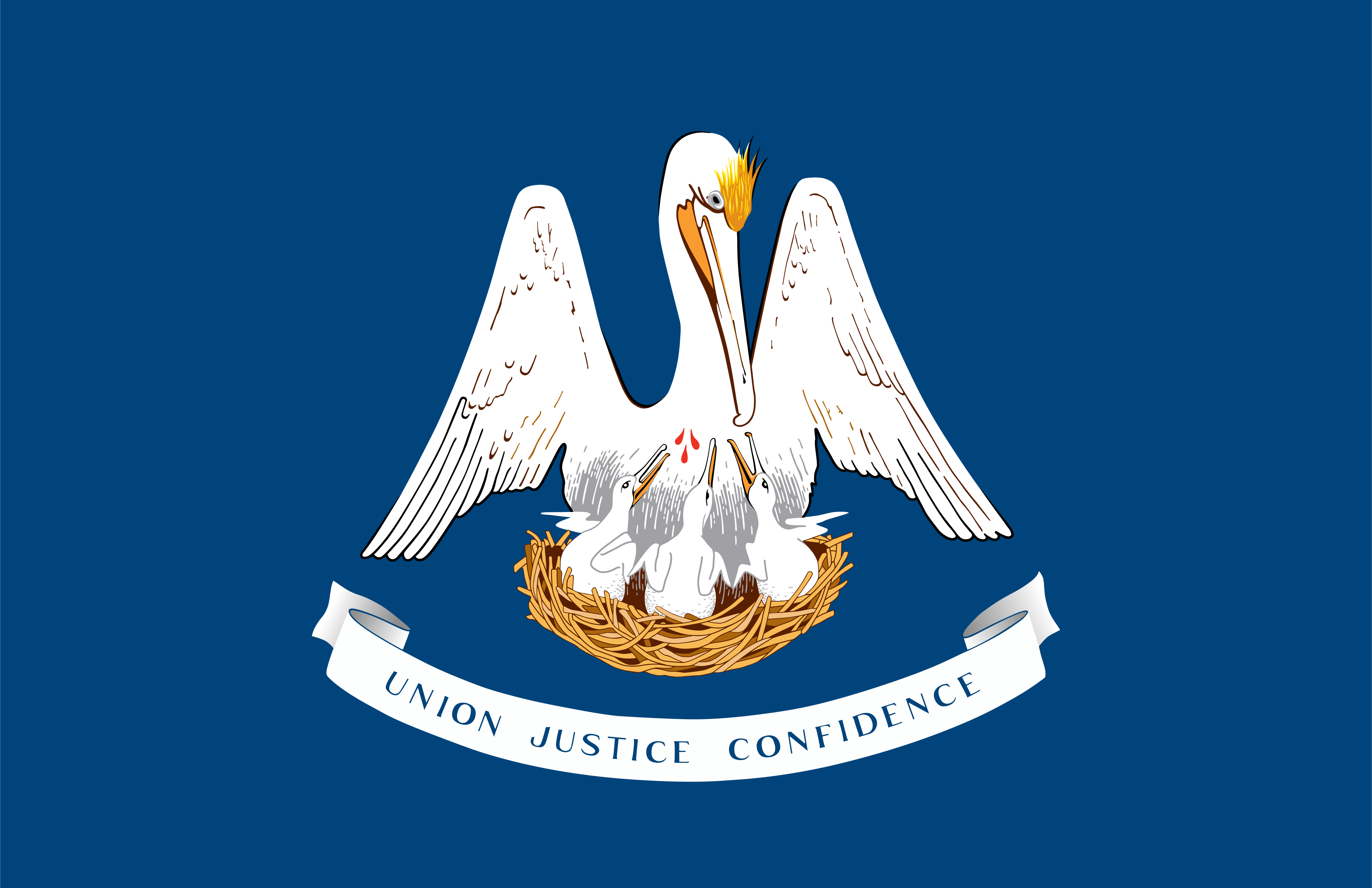
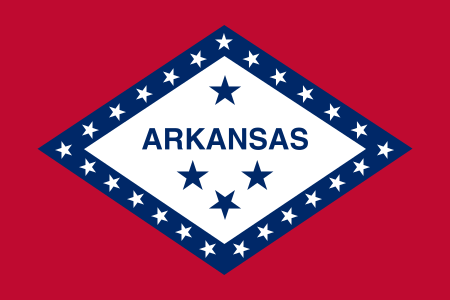
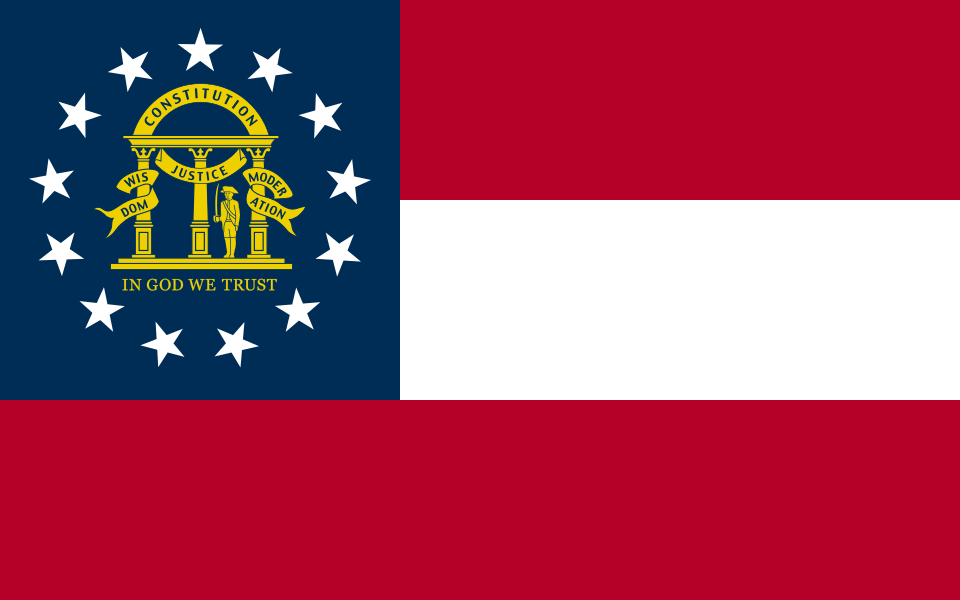
Geographically, it shares borders with Tennessee, Alabama, Louisiana, and Arkansas, forming a closely connected regional network.
Historical Significance
Mississippi officially joined the Union on December 10, 1817, as the 20th state. Its history is both complex and transformative — from its role as a plantation economy, to its pivotal place in the Civil War at Vicksburg, to becoming the birthplace of the blues and a central stage of the American Civil Rights Movement in the 20th century.
Famous Natives
Top Cities & Hubs
Jackson
Population: ~143,000The state capital and cultural heart of Mississippi, a major hub for government, healthcare, and media, and a city working to reclaim its role as a vibrant Southern center.
Gulfport
Population: ~72,000A major port city on the Gulf of Mexico and a regional tourism center, known for its beaches, growing casino industry, and status as the state's second-largest city.
Southaven
Population: ~54,000A rapidly growing suburb of Memphis, Tennessee, located in the DeSoto County corner of Mississippi, one of the fastest-growing cities in the entire Southeast.
Hattiesburg
Population: ~48,000Home to the University of Southern Mississippi, a vibrant college city that serves as the commercial and educational hub for pine belt Mississippi.
Biloxi
Population: ~46,000A storied Gulf Coast city famous for its white sand beaches, seafood culture, historic lighthouse, and a thriving casino resort industry that makes it Mississippi's top tourist destination.
How Mississippi Ranks
Compared to all 50 states — bar shows relative standing (#1 = full bar)
Key Landmarks & Economy
Did You Know?
- Mississippi is the birthplace of the blues, a music genre born in the Delta cotton fields that became the foundation of all modern American popular music.
- The state is the nation's top producer of farm-raised catfish, with the Yazoo-Mississippi Delta region accounting for the vast majority of U.S. catfish production.
- The teddy bear was partly inspired in Mississippi — President Theodore Roosevelt famously refused to shoot a bear near Onward, MS in 1902, inspiring the first stuffed teddy bears.
Additional Information
38601 (Abbeville) → 39776 (Woodland)
~445 ZIP codes statewide
601 (Jackson / Central) · 769 (Overlay for Central) · 228 (Gulf Coast / South)
Demographics
Population Growth
You might also like
🧠 Mississippi Trivia
5 questions — how well do you know the Magnolia State?
What is Mississippi's official state nickname?
In what year was Mississippi admitted to the Union?
What legendary music genre was born in the Mississippi Delta?
What is the capital city of Mississippi?
What is Mississippi's official state bird?