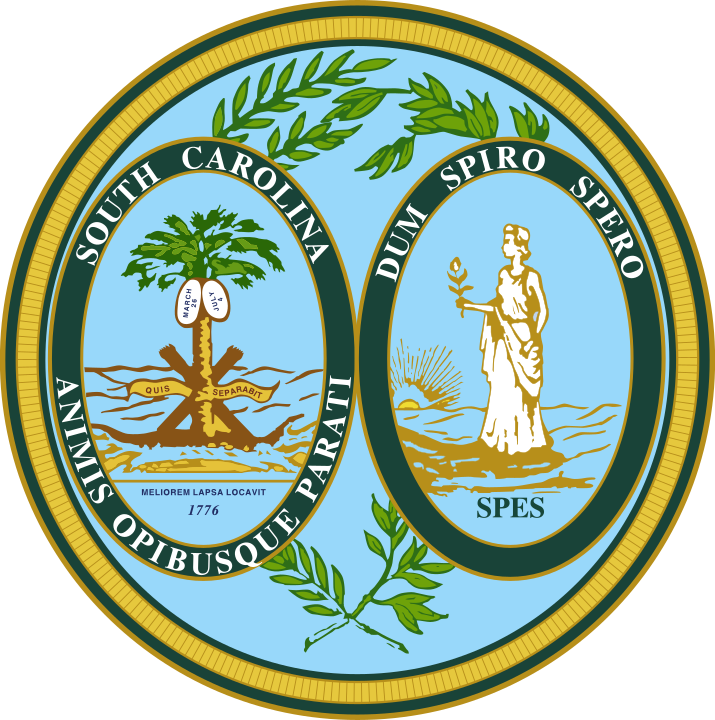
"Prepared in Mind and Resources"
Latin. Adopted 1776.
South Carolina is a beautiful Southeastern state known for its rich history, subtropical climate, and stunning Atlantic coastline. From the historic cobblestone streets of Charleston to the majestic Blue Ridge Mountains, the state offers a blend of Southern hospitality and economic vitality for students and visitors today.
South Carolina officially joined the Union on May 23, 1788, as the 8th state. As one of the original 13 colonies, it played a pivotal role in the American Revolution and was the site of the first battle of the Civil War at Fort Sumter. Its complex history is reflected in its enduring architectural and cultural landscapes today.
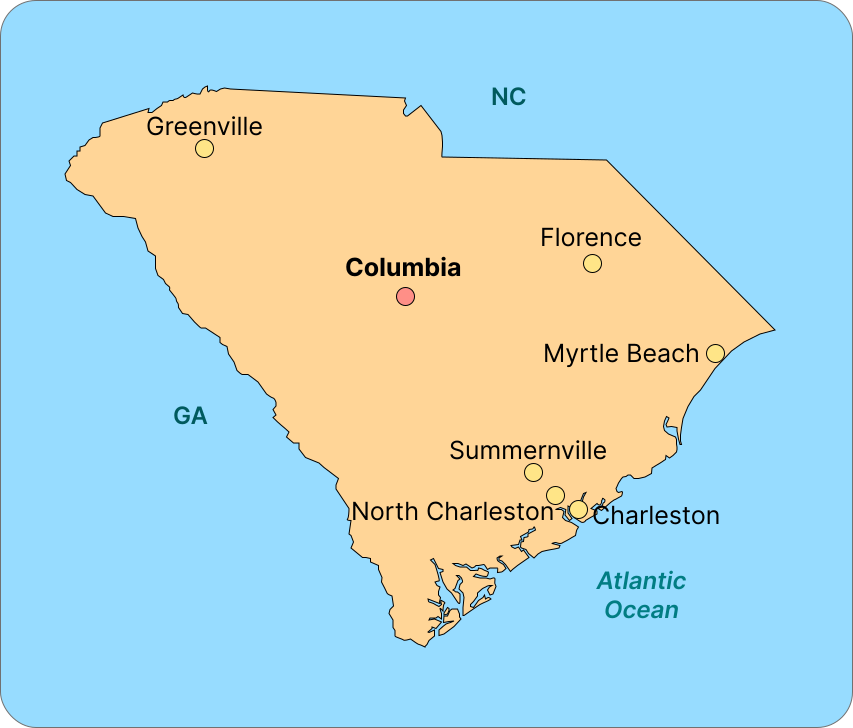
Charleston
Population: ~150,000The oldest and largest city in the state, known for its rich history, unique architecture, and world-class dining and hospitality.
Columbia
Population: ~137,000The state capital and home to the University of South Carolina, serving as a major hub for government, education, and the arts.
North Charleston
Population: ~117,000A thriving industrial and commercial center, home to a major Boeing manufacturing facility and vibrant shopping districts.
Mount Pleasant
Population: ~95,000A large, affluent suburb of Charleston known for its high quality of life, historic Old Village, and scenic coastal parks.
Greenville
Population: ~70,000A rapidly growing city in the Upstate region, famous for its revitalized downtown, scenic Falls Park, and diverse economy.
Region: South
- South Carolina is the largest producer of peaches in the United States east of the Mississippi River, renowned for its agricultural heritage.
- The state is home to the Gullah Geechee people, who have preserved a unique African-influenced culture on the Sea Islands for centuries.
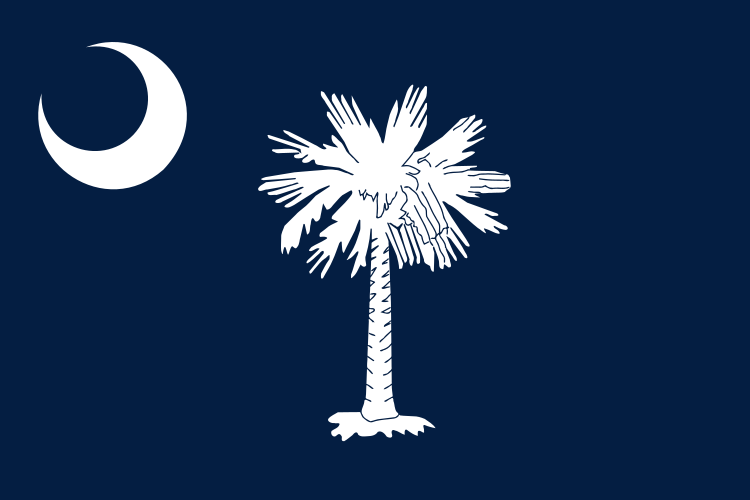
- The Sabal Palm on the state flag became an iconic symbol after its soft wood was used to build a fort that miraculously repelled British cannonballs in 1776.