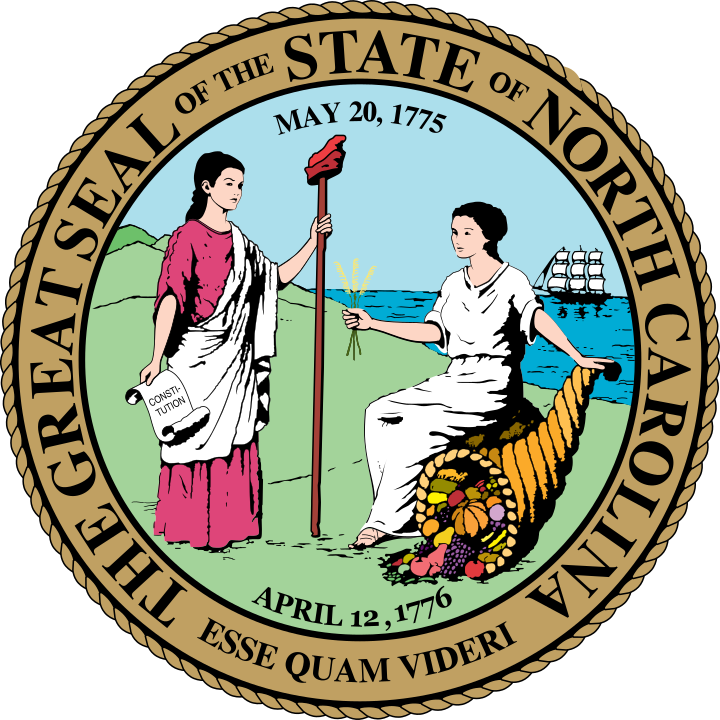
"Esse quam videri" (To be, rather than to seem)
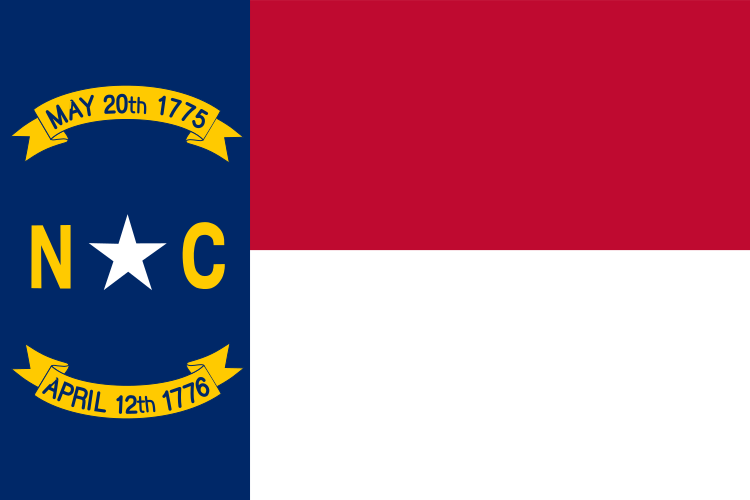
Adopted 1893.
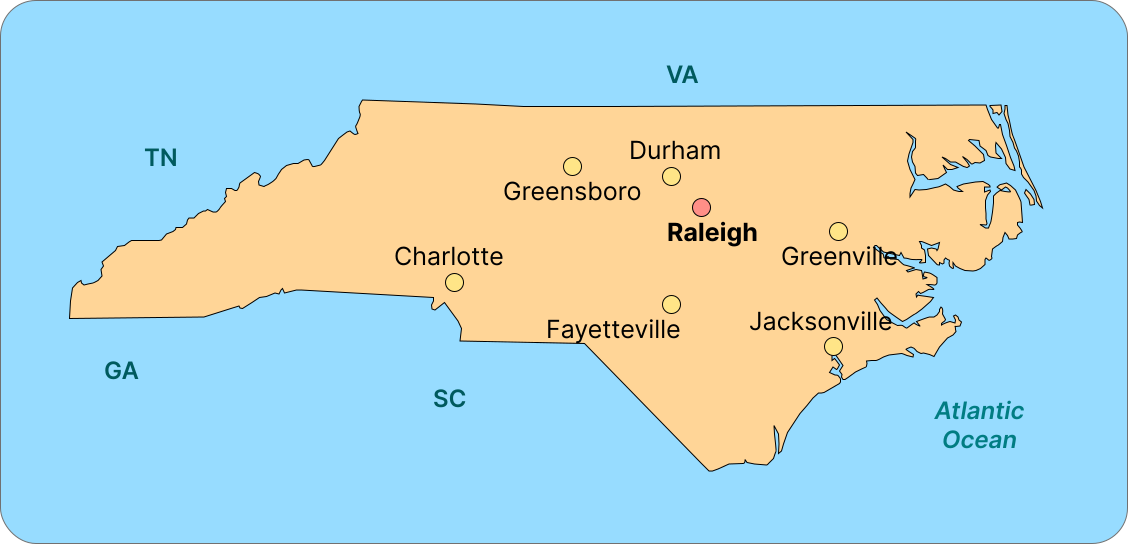
North Carolina, affectionately known as "First in Flight," boasts a remarkably diverse geography ranging from the majestic Blue Ridge Mountains to the captivating Outer Banks. This state is anchored by the thriving Research Triangle Park, a hub for technological innovation and academic pursuits. Experiencing a rich past and considerable present, North Carolina offers unique and diverse opportunities for all residents today.
North Carolina officially joined the United States on November 21, 1789, as the 12th state, playing a pivotal role in the nation's formative years and contributing significantly to the nascent republic’s stability. This transition from colony to statehood was marked by its strategic importance in the struggle for independence and its early leadership in establishing enduring democratic principles today.
Charlotte
Population: ~880kThe state's largest city and a major financial hub, the second-largest banking center in the U.S.
Raleigh
Population: ~470kThe state capital and part of the Research Triangle Park, known for its high-tech industry.
Greensboro
Population: ~300kA city with a rich history in textiles and furniture, now a growing hub for healthcare and logistics.
Durham
Population: ~285kHome to Duke University and another key vertex of the Research Triangle Park.
Winston-Salem
Population: ~250kKnown for its tobacco and textile history, now a center for biotechnology and medicine.
Region: South
- North Carolina is renowned for its exceptional craft beer scene, featuring numerous award-winning breweries and flavors.
- The Outer Banks’ maritime history is steeped in indigenous cultures, European exploration, and significant pivotal roles.
- Coastal communities demonstrate remarkable resilience through sustainable fishing practices and innovative conservation efforts, protecting ecosystems.